
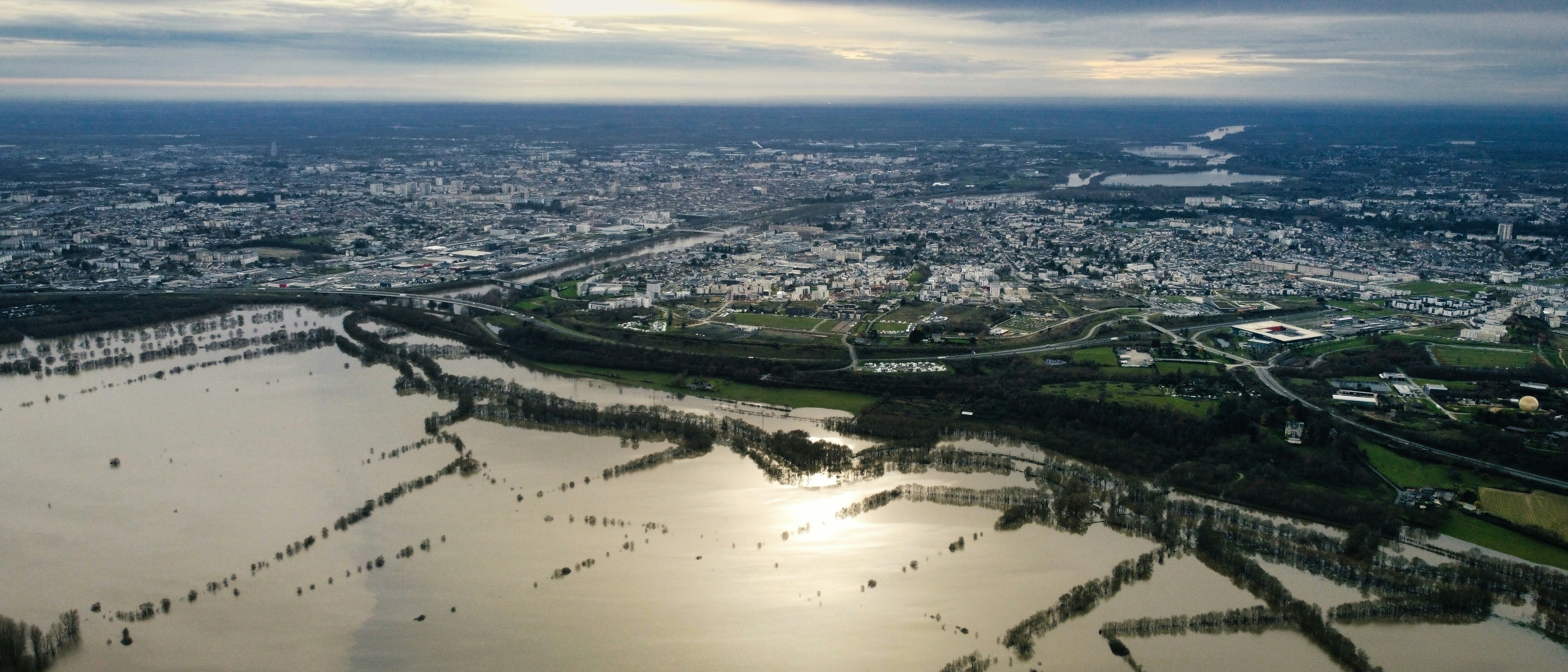
Nature-based Solutions (NBS) are increasingly recognized as key instruments in spatial planning and environmental management, as they integrate ecological, social, and economic functions across diverse landscapes. NBS address pressing challenges such as climate adaptation, biodiversity loss, water management, and urban resilience while contributing to human well-being and sustainable development.
The module “Nature-based Solutions in Spatial Contexts” provides in-depth knowledge of the principles, design approaches, and implementation challenges of NBS. During the seminar, students will explore core NBS concepts, including multifunctionality, ecosystem services, co-creation processes, governance frameworks, and long-term maintenance considerations.
Particular emphasis is placed on understanding how NBS operate in different territorial and socio-ecological contexts. Case studies will examine NBS applications in alpine, lowland, and coastal regions, as well as in small towns and rural areas, large metropolitan regions, residential neighborhoods, and industrial sites. Through comparative analysis, students will critically reflect on context-specific constraints, trade-offs, and innovation potentials.
The seminar combines conceptual input with case-based discussions drawn from current research and planning projects, enabling students to engage with real-world methodological approaches and implementation challenges.
Learning Approach:
The module is designed as an interactive seminar that combines:
- theoretical input
- critical discussion
- applied case study analysis.
Research-based learning approaches will be applied, enabling students to work with real-world examples and current research projects.
Teaching methods include short introductory lectures to frame key concepts and current debates on Nature-based Solutions, followed by student-led presentations, group discussions, and peer feedback sessions.
Students have the opportunity to explore individual topics in greater depth, define their own research focus, and develop practice-oriented solution approaches for Nature-based Solutions in diverse spatial contexts. Students will work individually to analyze selected case studies of NBS in different socio-ecological contexts (e.g., alpine, coastal, rural, and urban settings). Comparative reflection and structured debate will be used to critically assess design principles, governance frameworks, implementation challenges, and impact pathways.
The seminar emphasizes active participation, collaborative learning, and critical thinking. Students are expected to engage with scientific literature, prepare discussion inputs, and contribute to reflective dialogue.
Learning Objectives:
Upon successful completion of the module, students will be able to:
• explain and critically reflect on the principles, definitions, and theoretical foundations of Nature-based Solutions;
• differentiate NBS approaches across diverse socio-ecological and spatial contexts (e.g., alpine, lowland, coastal, rural, urban, residential, and industrial areas);
• analyze the multifunctional performance of NBS, including climate adaptation, biodiversity enhancement, and social co-benefits;
• apply analytical methods to evaluate case studies and identify context-specific constraints, trade-offs, and innovation potentials;
• present and discuss complex spatial and environmental challenges in a structured and scientifically sound manner.
- Lehrende:r: Aude Zingraff-Hamed